





7 Hidden Signs Your Pet Might Be in Pain - A Complete Guide for Pet Owners

Pets are masters at hiding discomfort. Whether you live with a curious cat or a loyal dog, they rarely show pain the way humans do. Instead, pets communicate through small quiet behaviors that are easy to overlook during busy days.
Understanding these hidden signs can help you support your pet early long before the problem becomes serious. This guide will help you recognize discomfort, respond correctly and protect your pet’s long term wellness.
1. Changes in Movement and Daily Activity
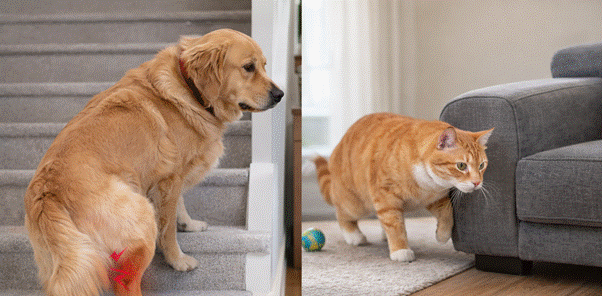
When pets experience pain the first sign is often a subtle change in how they move or how active they are. You may notice a shift in their routine such as avoiding stairs or walking at a slower pace than usual. This happens because joint or muscle discomfort affects every step they take.
Movement issues do not always look dramatic. Sometimes it is a small pause before jumping or visible hesitation before sitting down. These tiny moments are your pet’s way of saying something does not feel right.
If your dog or cat becomes less playful or does not rush to greet you like before it might be their body trying to protect itself from discomfort. Paying attention to movement changes helps you understand early mobility issues especially in aging pets.
Recommended Product for Joint Support: 4CYTE Canine Joint Support Supplement for Dogs
2. Excessive Licking or Chewing
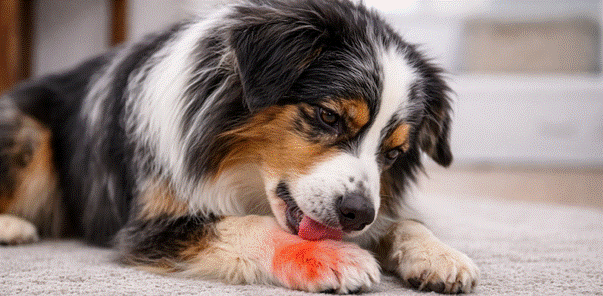
- Licking one paw or spot repeatedly
- Chewing around joints or legs
- Overgrooming the same area
- Hair loss in specific patches
- Redness or irritation from constant licking
Pets often lick or chew where they feel discomfort even when the problem is internal. This habit may seem harmless at first but it often signals something more serious beneath the surface. Dogs tend to focus on paws and legs while cats may groom one particular area until the fur thins out.
Excessive licking is also a natural coping behavior for pets. They do it to soothe themselves when they cannot communicate pain.
If you notice your pet focusing on one area more than usual it is a sign worth paying close attention to. It can indicate joint issues, skin irritation or chronic internal pain that is not obvious from the outside.
3. Sudden Mood or Behavior Changes

A pet’s personality is a clear window into their health. When something hurts even gentle pets may become moody, irritable or distant. Pain places stress on the body and affects the way they respond to touch sound and interaction.
Dogs may become clingy or unusually protective while cats may prefer quiet places away from people. These changes are not bad behavior. They are your pet’s way of coping with physical discomfort.
If your pet reacts differently when touched in certain areas or shows a sudden loss of interest in social contact it is time to observe more closely. Behavior shifts are one of the strongest emotional indicators of pain.
4. Eating or Drinking Less Than Usual
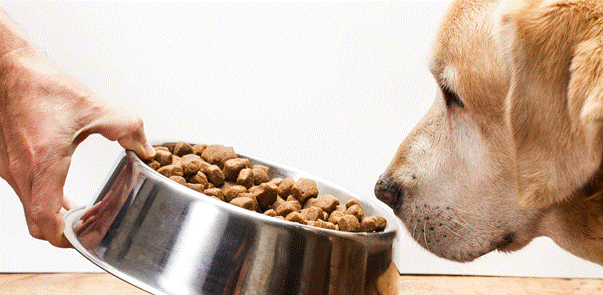
- Slower chewing or difficulty eating
- Leaving food in the bowl
- Avoiding crunchy food or treats
- Sudden changes in appetite
- Drinking more or less than usual
When pets experience discomfort their appetite often changes. Pain in the mouth, stomach or joints can make eating more difficult leading to skipped meals or slower chewing. Cats are especially sensitive.
Even small changes in appetite may point to hidden discomfort or stress.
Water intake is another important sign. Pets experiencing pain may drink more due to stress or inflammation while others drink less because moving around is uncomfortable.
Any sudden shift in eating or drinking patterns deserves attention. These changes often reflect internal issues that are not visible but can affect overall health if ignored.
5. Breathing Patterns That Look Different
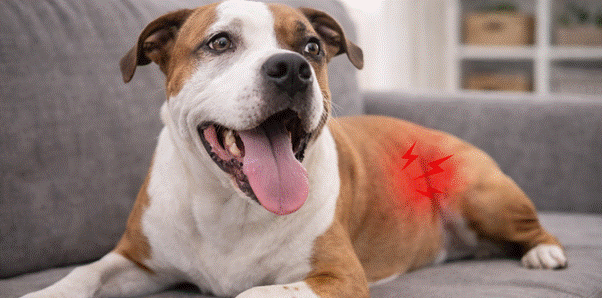
Your pet’s breathing can reveal a lot about their physical state. Short shallow breaths may indicate internal pain especially in senior dogs or pets with weight related issues. Rapid breathing or panting during rest can also be a sign that something is wrong.
Cats hide breathing changes well so noticing even a small shift is important. Pain often forces your pet to adjust how they breathe to remain comfortable.
If your pet seems restless, breathes faster during rest or avoids lying on certain sides these may be early signals of discomfort or internal strain.
6. Hiding or Seeking Unusual Amounts of Attention

- Cats hiding in quiet corners
- Dogs following owners constantly
- Avoiding physical contact
- Wanting more cuddles than usual
- Sleeping in unusual spots
Pain affects pets emotionally as well as physically. Cats often isolate themselves when something feels wrong choosing quiet spaces where they will not be touched. Dogs may become extra attached to their owners when they feel vulnerable.
These behaviors are emotional responses to discomfort. Some pets want space while others need reassurance. When your pet’s social habits shift suddenly it is a clear sign to pay attention.
Understanding these emotional cues helps you respond with sensitivity and make necessary changes to support their comfort.
7. Stiffness Especially After Resting
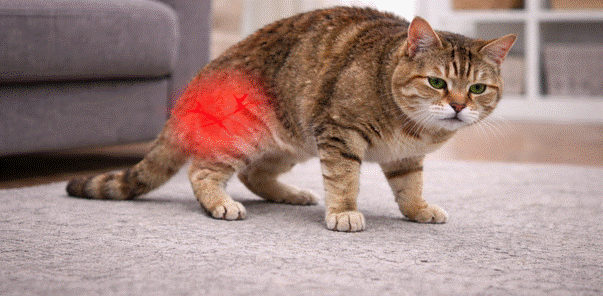
If your pet wakes up stiff, struggles to stand after resting or needs a moment to stretch before moving it may be due to joint discomfort or inflammation. This sign is very common in older pets but younger animals can experience it too.
Morning stiffness or occasional limping after rest often signals early stage mobility issues. When this continues repeatedly the discomfort becomes more obvious.
Supporting your pet early can prevent long term mobility decline. This is why consistent daily wellness is essential especially for pets with high activity levels or those entering senior years.
How Pet Owners Can Support Their Pets Better
Being aware of these signs gives you the ability to act early to protect your pet’s comfort and prevent long term issues. When something feels unusual, watch how long the signs last, avoid touching sensitive areas and track patterns.
If symptoms continue or increase a vet check is always recommended. You know your pet better than anyone and your early attention can make a meaningful difference in their overall well being.
How Global Vet Pro Supports Everyday Pet Wellness
Your pet depends on you for comfort and care and Global Vet Pro helps you provide the best support possible. Our vet inspired formulas focus on mobility stress relief joint comfort and overall wellness for dogs and cats.
We believe in safe consistent science driven solutions that fit naturally into your pet’s daily routine. When you understand the signs and combine that with high quality support your pet enjoys a happier healthier life.
Final Thought
Pets do not complain when something hurts. They communicate through small signs. By paying attention to movement behavior, appetite and mood you can protect your pet’s comfort long before the pain becomes serious.
Your awareness combined with the right wellness support makes a real difference in your pet’s health.
Still have questions? Contact Global Vet Pro today!