





Training a Calm Dog: When to Use Behavioural and Calming Aids
If your dog cannot relax, no amount of commands will fix it.
That is where most owners struggle. They try to correct behaviour without understanding what is causing it.
Barking, anxiety, restlessness, and reactivity are not random. They are signals.
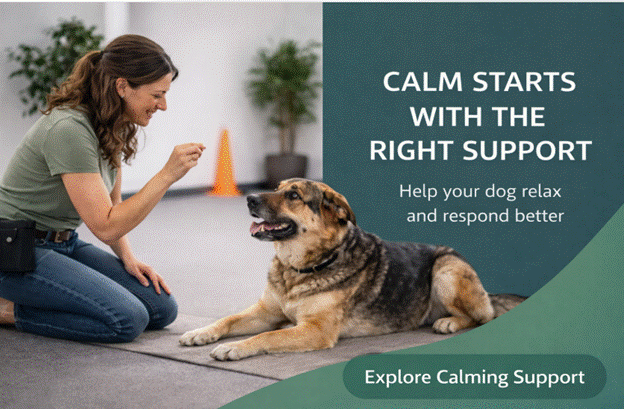
The goal is not to control your dog.
The goal is to help your dog feel calm enough to respond.
Professional trainers often agree on one thing. Calm behaviour is built over time, not forced in the moment.
Training is the foundation. But in many cases, the right support can make that process easier and more effective.
What a Calm Dog Actually Looks Like
A calm dog is not silent or inactive all the time. It is a dog that feels secure and balanced.
You will notice it in simple ways. Your dog can settle down without constant stimulation, stay relaxed in new environments, and respond to you without stress or hesitation.
This kind of behaviour does not happen by accident. It is built through consistency, routine, and the right guidance.
Why Some Dogs Struggle With Calm Behaviour
Every dog is different, and behaviour always has a reason behind it.
Some dogs have never been given structure. Others deal with separation anxiety or fear based triggers like loud noises. In some cases, it is simply excess energy with no proper outlet.
Changes in environment or past experiences can also play a role.
Understanding the cause is what allows you to choose the right approach instead of guessing.
Start With Training First
Before using any calming aid, training should always come first.
This is what creates long term change. Dogs learn through repetition, structure, and clear communication.
Focus on giving your dog enough physical exercise and mental stimulation each day. Keep commands consistent and reward the behaviour you want to see more of.
A predictable routine helps your dog feel secure, and that alone can reduce a lot of unwanted behaviour.
When Training Alone Is Not Enough
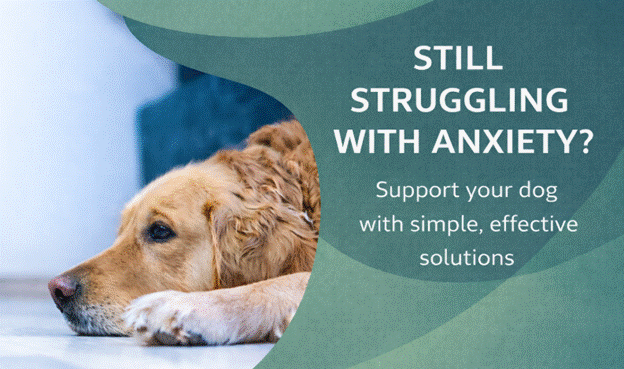
Even with proper training, some dogs still struggle.
You might notice signs like constant anxiety, destructive behaviour when left alone, or difficulty settling down even after exercise. Some dogs remain restless or overly reactive no matter how much effort you put into training.
This does not mean training is not working. It simply means your dog may need additional support.
When to Use Behavioural and Calming Aids
Calming aids can be helpful when your dog is too stressed to respond properly to training.
They are often used during situations that trigger anxiety, such as being left alone, traveling, visiting the vet, or dealing with loud noises like fireworks.
They can also help dogs that have a hard time switching off and relaxing at home.
If you are exploring options, you can
browse calming and behavioural support options and choose what fits your dog’s needs.
How Calming Aids Actually Help
Calming products are not quick fixes. They work by reducing stress levels so your dog can think more clearly and respond better.
Instead of reacting instantly to triggers, your dog becomes more manageable and focused. This makes training sessions more effective and helps build better habits over time.
Think of them as support, not a solution on their own.
How to Use Calming Aids the Right Way
Using calming aids is simple, but it needs to be done correctly.
Start by choosing a product that matches your dog’s size and behaviour. Always follow the instructions and give it time to work.
Avoid switching products too quickly. Give your dog time to adjust and observe how they respond over a few days or weeks.
Consistency is what leads to real results.
Common Mistakes to Avoid
Many owners expect fast results, and that is where things go wrong.
Calming aids are not meant to replace training. Using multiple products at once or ignoring the root cause of behaviour can also lead to poor outcomes.
The best approach is always balanced. Training first, support when needed, and patience throughout the process.
When to Seek Professional Help
Some behaviours need more than home training.
If your dog shows severe anxiety, becomes aggressive, or does not improve over time, it is better to speak with a professional.
A trainer or veterinarian can help identify the issue and guide you with a structured plan.
Frequently Asked Questions
How do I calm an anxious dog
Start with routine, exercise, and consistent training. Support tools can help when needed.
Do calming aids work for dogs
Yes, when used correctly alongside training, they can improve focus and reduce stress.
How long does it take to see results
Some dogs improve quickly, while others need more time and consistency.
Can calming aids be used daily
Some products are designed for daily use. Always follow product instructions.
Are calming aids a replacement for training
No. They support training but do not replace it.
Final Thoughts
Training a calm dog takes time, patience, and consistency.
There is no single solution. The best results come from combining proper training, a stable routine, and the right level of support when needed.
When your dog feels calm, everything else becomes easier.
For more information, please visit https://www.globalvetpro.com/