





Cat Liver Support: Signs of Liver Problems in Cats
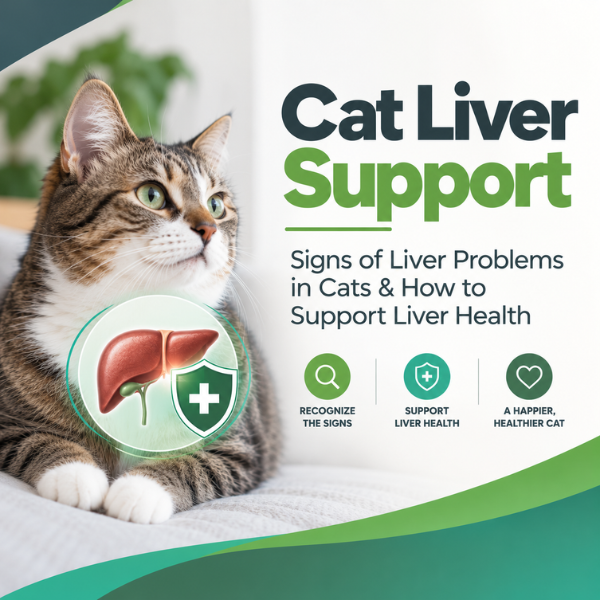
Cats are experts at hiding when they do not feel well. A cat that becomes quieter, eats less, loses weight, or seems less interested in everyday activities may not appear seriously ill at first.
However, subtle changes can sometimes be early signs of an underlying health problem, including an issue affecting the liver.
The liver performs many essential functions that help keep your cat healthy. It is involved in metabolism, nutrient processing, digestion, and the processing of certain medications and substances in the body. When liver function is affected, recognizing changes early and seeking veterinary advice can be important.
Understanding the signs of liver problems and learning how to support healthy liver function can help cat owners make informed decisions about their pet's health.
For pet owners looking for veterinary products and pet health solutions, Global Vet Pro provides a range of products for cats and dogs.
Why Is Liver Health Important for Cats?
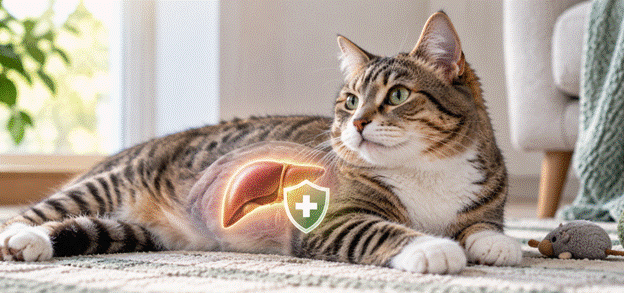
The liver is one of the body's most important organs and performs a wide range of functions. It helps process nutrients from food, supports metabolism, contributes to digestion, produces substances needed for normal body functions, and helps process various medications and compounds.
The liver also has a remarkable ability to regenerate. However, liver problems can still become serious, particularly when an underlying condition is not identified and addressed. Liver disorders in cats can have many different causes, including disease, toxins, medications, infections, and other health conditions.
Good liver health is therefore an important part of responsible cat care.
What Are the Signs of Liver Problems in Cats?
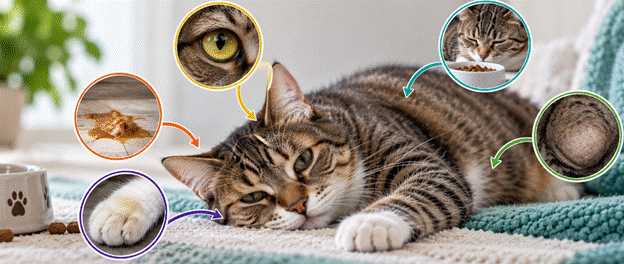
Liver problems can produce different symptoms depending on the underlying cause and how significantly liver function has been affected. Some signs can also resemble symptoms associated with other feline health conditions.
Possible warning signs include:
- Reduced appetite or refusing food
- Unexplained weight loss
- Vomiting
- Diarrhea
- Lethargy or reduced activity
- Excessive drooling
- Yellowing of the eyes, gums, or skin
- Changes in normal behavior
- Abdominal swelling or other noticeable abdominal changes
One particularly important sign for cat owners to watch is a significant change in appetite.
Feline hepatic lipidosis, also known as fatty liver disease, can develop when cats experience prolonged periods of inadequate food intake. It is particularly important in overweight cats that suddenly stop eating.
If your cat stops eating or is eating substantially less than normal, do not simply assume that the problem will resolve on its own. Contact your veterinarian promptly.
What Can Affect Liver Health in Cats?
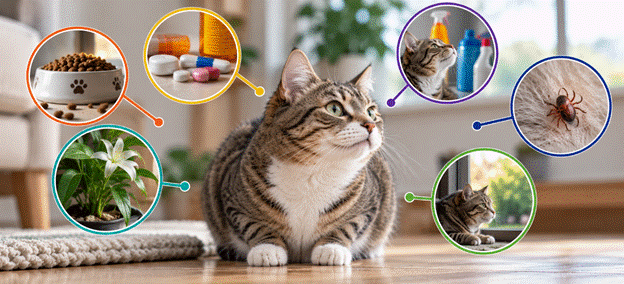
There is no single cause of liver problems in cats. Different diseases, environmental factors, medications, and other health conditions can affect the liver.
Some liver problems may occur alongside other diseases. Certain metabolic conditions can be associated with changes in liver function, while exposure to some toxins and medications can cause liver injury.
A cat's eating habits can also become important. Stressful events such as moving, changes in the household, boarding, or introducing another pet may cause some cats to eat less. Prolonged inadequate food intake can become particularly dangerous because cats can develop hepatic lipidosis.
For this reason, a noticeable change in eating habits deserves attention.
How Can You Support Your Cat's Liver Health?
Supporting liver health is not about relying on one product or supplement. It starts with good everyday care and paying attention to changes in your cat's health.
Monitor Your Cat's Appetite
Your cat's appetite can provide valuable information about their overall health.
If your cat suddenly becomes less interested in food, refuses meals, or continues eating significantly less than usual, take the change seriously. Appetite loss can occur with many illnesses, including liver conditions, and prolonged inadequate food intake can contribute to hepatic lipidosis.
If appetite loss continues, contact your veterinarian rather than trying to manage the problem with supplements alone.
Provide Appropriate Nutrition
Nutrition plays an important role in supporting cats with liver conditions. However, there is no single diet that is appropriate for every cat with a liver problem.
Depending on the underlying condition, a veterinarian may recommend food that is highly palatable, nutritionally appropriate, calorie dense, and easy for the cat to consume. In some situations, smaller and more frequent meals may be recommended.
If your cat has been diagnosed with a liver condition, follow your veterinarian's dietary recommendations rather than making major changes without professional guidance.
Keep Your Cat Hydrated
Adequate hydration is an important part of general feline health. Make fresh water available and keep your cat's water source clean.
Some cats prefer running water or multiple water stations around the home. Wet food can also contribute to overall water intake for cats that readily eat it.
If your cat is drinking much more or much less than usual, mention the change to your veterinarian.
Schedule Regular Veterinary Checkups
Cats can hide signs of illness remarkably well. Regular veterinary examinations can help identify health changes that may not be obvious at home.
When liver disease is suspected, a veterinarian may recommend blood testing, imaging, or other diagnostic procedures depending on the cat's symptoms and medical history.
Early investigation can help identify the underlying cause and determine whether treatment or supportive care is appropriate.
Can Liver Supplements Support Cats?
Liver support supplements can be part of a veterinary guided wellness or supportive care plan for some cats. However, they should not be considered a replacement for diagnosis, treatment, or appropriate nutrition.
A supplement may provide specific nutritional or antioxidant support, but whether a cat should receive one depends on factors such as their health status, medications, diet, age, and underlying condition.
Liver support supplements are not automatically necessary for every healthy cat. If your cat has symptoms, an existing liver condition, or takes medications, speak with your veterinarian before starting supplementation.
Understanding SAMe, Silybin and Vitamin E
Some cat liver support products contain ingredients selected for their nutritional and antioxidant properties.
SAMe, or S adenosylmethionine, participates in important metabolic processes and is associated with the production of glutathione, an important antioxidant in the body. SAMe may be used as part of supportive care for certain liver conditions under veterinary supervision.
Silybin is a component associated with milk thistle extracts and is included in some veterinary liver support formulations because of its antioxidant properties.
Vitamin E is an antioxidant nutrient that plays an important role in normal biological function. Appropriate supplementation should be based on the individual animal's needs and veterinary guidance.
The presence of these ingredients does not mean that a supplement can cure liver disease. Nutritional support is different from treating the underlying cause of a medical condition.
What Is PAW Blackmores HepatoAdvanced for Cats?
For cat owners looking for nutritional liver support, PAW Blackmores HepatoAdvanced for Cats and Small Dogs combines SAMe, Silybin, and Vitamin E.
According to the product information from Global VetPRO, HepatoAdvanced is formulated to provide nutritional support for liver health and antioxidant support. The product contains the ingredients discussed above in a formulation intended for cats and small dogs.
The product should be used according to the product directions and under appropriate veterinary guidance. Global VetPRO recommends consulting a veterinarian about whether HepatoAdvanced is suitable for your pet and advises regular reassessment to determine the appropriate dose.
Learn more about PAW Blackmores HepatoAdvanced for Cats and Small Dogs
When Should You Contact Your Veterinarian?
Not every change in your cat's behavior means they have a liver problem, but certain symptoms deserve prompt attention.
Contact your veterinarian if your cat:
- Stops eating or has a significant reduction in appetite
- Develops yellow eyes, gums, or skin
- Experiences repeated vomiting
- Loses weight without an obvious reason
- Becomes unusually weak or lethargic
- Develops noticeable abdominal changes
- Has an existing liver condition and appears to be getting worse
A cat that stops eating should receive particular attention. Hepatic lipidosis can become a serious and potentially life threatening condition, especially in overweight cats following a period of inadequate food intake.
Frequently Asked Questions About Cat Liver Support
What are the early signs of liver problems in cats?
Early signs can be subtle and may include reduced appetite, lethargy, weight loss, vomiting, or changes in normal behavior. These symptoms can also occur with many other conditions, so veterinary evaluation is important.
How can I support my cat's liver health?
Provide an appropriate balanced diet, monitor your cat's appetite and weight, provide access to fresh water, maintain regular veterinary checkups, and avoid giving medications or supplements without appropriate veterinary guidance.
Are liver supplements suitable for every cat?
No. A liver supplement may be appropriate for some cats but is not automatically necessary for every healthy cat. Your veterinarian can help determine whether supplementation is appropriate based on your cat's individual needs.
What is SAMe used for in cats?
SAMe is involved in important metabolic processes and is associated with glutathione production and antioxidant activity. It may be included in supportive care for certain liver conditions under veterinary supervision.
Is loss of appetite serious in cats?
It can be. Appetite loss may indicate an underlying illness, and prolonged inadequate food intake can contribute to hepatic lipidosis. A cat that is eating significantly less than normal should be assessed by a veterinarian.
Supporting Your Cat's Liver Health
Your cat's liver works continuously to support many essential processes, but cats often hide signs that they are unwell. Paying attention to appetite, weight, energy, behavior, and other changes can help you recognize when something may need attention.
The best approach to liver health is a combination of appropriate nutrition, regular veterinary care, careful monitoring, and prompt investigation of unusual symptoms.
For cats that may benefit from additional nutritional liver support, PAW Blackmores HepatoAdvanced for Cats and Small Dogs provides SAMe, Silybin, and Vitamin E in a dedicated liver support formulation. It should be used according to the product directions and with appropriate veterinary guidance.
If you are considering liver support for your cat, speak with your veterinarian about your cat's individual health needs and whether HepatoAdvanced is an appropriate choice.
For questions about products, orders, or additional information, you can contact the Global Vet Pro team.
A little attention to your cat's appetite, behavior, and overall wellbeing can go a long way toward recognizing health concerns early and providing the care they need.