





How to Protect Your Cat from Fleas, Ticks, Heartworms, and Worms Year-Round.
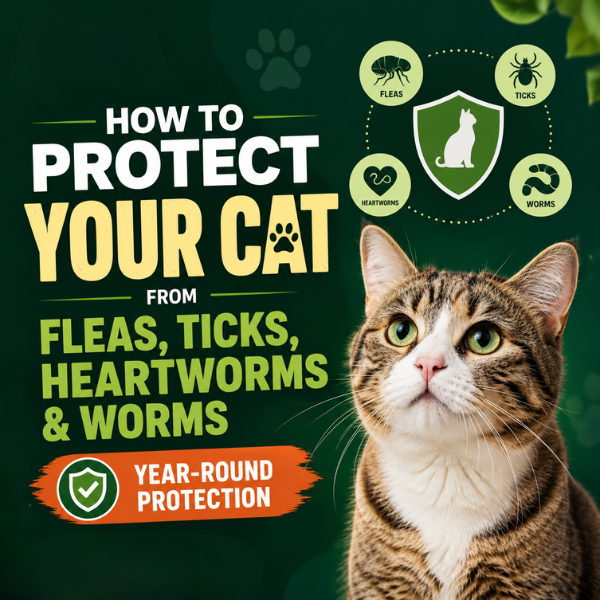
Did you know that your cat can get fleas, ticks, heartworms, and intestinal worms even if they never leave the house?
Many pet owners assume indoor cats are safe from parasites, but fleas can hitch a ride on your clothing, mosquitoes can enter through open doors and windows, and parasite eggs can be tracked indoors on shoes. Left untreated, these parasites can cause itching, skin irritation, digestive issues, breathing difficulties, and other serious health concerns.
The good news is that a few simple preventive measures can significantly reduce your cat's risk of parasite infections. In this guide, we'll explain the most common parasites that affect cats, how they spread, warning signs to watch for, and the best ways to keep your feline companion protected throughout the year.
At Global Vet Pro, we're committed to helping pet owners make informed decisions about their pets' health and wellness.
Why Year-Round Parasite Prevention Matters
Many cat owners think parasites are only a concern during warmer months. However, fleas, ticks, mosquitoes, and intestinal worms can remain active throughout the year depending on your location and environment.
Consistent parasite prevention helps protect your cat from:
- Flea infestations
- Tick-related illnesses
- Heartworm disease
- Ear mite infections
- Roundworms and hookworms
- Flea allergy dermatitis (FAD)
Prevention is often easier, safer, and more affordable than treating a parasite infestation after it occurs.
Common Parasites That Affect Cats

Fleas
Fleas are among the most common parasites found in cats. These tiny pests feed on blood and can quickly multiply, creating infestations in both your cat and your home.
Fleas can cause:
- Excessive scratching
- Skin irritation
- Hair loss
- Flea allergy dermatitis
- Tapeworm infections
Because fleas reproduce rapidly, year-round prevention is essential.
Ticks
Ticks attach to your cat's skin and feed on blood. They are commonly found around the ears, neck, paws, and tail area.
Ticks may transmit diseases and can cause irritation, infection, and in severe cases, anemia. Even indoor cats can be exposed when ticks are brought inside on people, other pets, or clothing.
Heartworms
Heartworm disease is spread by mosquitoes and can affect both indoor and outdoor cats.
Unlike many other parasites, heartworm disease is difficult to diagnose and can cause serious respiratory and cardiovascular complications.
Symptoms may include:
- Coughing
- Difficulty breathing
- Vomiting
- Lethargy
- Sudden collapse
Because there is no approved treatment for adult heartworms in cats, prevention is critical.
Roundworms and Hookworms
Intestinal worms are common in cats of all ages. Cats may become infected by ingesting parasite eggs, hunting rodents, or coming into contact with contaminated environments.
These worms can lead to:
- Vomiting
- Diarrhea
- Weight loss
- Poor growth in kittens
- Anemia
Routine parasite prevention can help reduce the risk of infection.
How Bravecto PLUS Helps Protect Your Cat
When it comes to comprehensive parasite protection, Bravecto PLUS for Large Cats provides broad-spectrum protection against some of the most common parasites affecting cats.
Bravecto PLUS helps:
- Treat and prevent fleas for up to 3 months
- Kill ticks for up to 10 weeks
- Prevent heartworm disease for 2 months
- Control ear mite infestations
- Treat and control roundworms
- Treat and control hookworms
- Reduce the incidence of flea allergy dermatitis (FAD)
Because Bravecto PLUS targets multiple parasites with a single topical treatment, it can help simplify your cat's parasite prevention routine.
Tips for Protecting Your Cat Year-Round
Ear Mites
Ear mites are microscopic parasites that live inside the ear canal and are highly contagious among pets.
Signs of ear mites include:
- Frequent ear scratching
- Head shaking
- Dark debris in the ears
- Ear inflammation
Without treatment, ear mites can lead to secondary infections and chronic discomfort.
Can Indoor Cats Get Parasites?
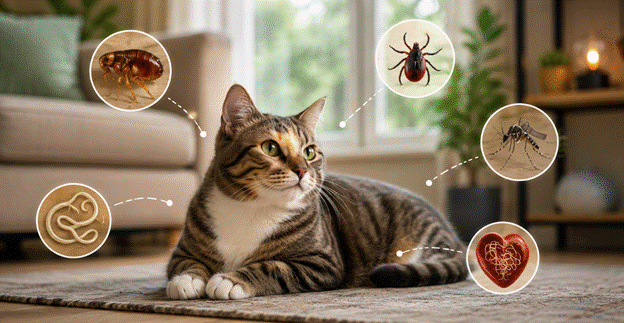
Yes.
Many cat owners are surprised to learn that indoor cats are still vulnerable to parasites.
Common ways indoor cats become exposed include:
- Mosquitoes entering the home
- Fleas brought inside on clothing or shoes
- Parasite eggs tracked indoors
- Rodents entering the property
- Contact with other pets
Because cats groom themselves frequently, they can accidentally ingest parasite eggs that have entered the home environment.
Signs Your Cat May Have Parasites
Early detection is important when it comes to parasite control.
Watch for symptoms such as:
- Excessive scratching
- Hair loss
- Skin irritation
- Ear scratching
- Vomiting
- Diarrhea
- Weight loss
- Reduced appetite
- Low energy levels
- Breathing difficulties
If you notice any of these signs, consult your veterinarian promptly.
How Can You Protect Your Cat from Parasites?
The best parasite prevention strategy includes several simple steps:
Keep Your Home Clean
Regularly clean litter boxes and living areas to reduce exposure to parasite eggs and larvae.
Remove Shoes at the Door
Parasite eggs can easily be tracked indoors. Leaving shoes at the entrance can help reduce contamination.
Control Rodents
Rodents can carry parasites and increase your cat's risk of infection. Proper pest control can help minimize exposure.
Reduce Mosquito Breeding Areas
Remove standing water around your property to reduce mosquito populations and lower the risk of heartworm transmission.
Perform Routine Checks
Inspect your cat regularly for fleas, ticks, and signs of skin irritation, particularly around the ears, paws, neck, and tail.
Schedule Regular Veterinary Visits
Annual wellness exams and routine parasite screenings can help identify issues before they become serious health problems.
Choosing the Right Parasite Protection for Your Cat
The most effective parasite prevention products provide protection against multiple parasites with a single treatment.
For cat owners looking for broad-spectrum protection, Bravecto Plus for Large Cats helps protect against fleas, ticks, heartworms, ear mites, roundworms, and hookworms. Its long-lasting formula helps simplify parasite prevention while supporting your cat's overall health.
Always choose a product that is appropriate for your cat's age, weight, and lifestyle, and follow the recommended treatment schedule.
Protect Your Cat All Year Long
Parasites don't take a season off, and neither should your cat's protection plan.
Whether your cat lives exclusively indoors or enjoys outdoor adventures, year-round parasite prevention is one of the most important steps you can take to support their health and well-being.
At Global Vet Pro, you'll find trusted pet health products designed to help protect cats from fleas, ticks, heartworms, ear mites, and intestinal worms.
If you have questions about choosing the right parasite prevention product for your pet, feel free to contact our team. We're here to help you keep your cat healthy, happy, and protected throughout the year.
Frequently Asked Questions
Do indoor cats need parasite prevention?
Yes. Indoor cats can still be exposed to fleas, ticks, mosquitoes, and parasite eggs that enter the home through people, pets, or open doors and windows.
How do indoor cats get fleas?
Fleas can enter your home on shoes, clothing, visitors, or other pets. Once inside, they can quickly reproduce and infest your home.
Can cats get worms from fleas?
Yes. Cats can become infected with tapeworms when they accidentally ingest fleas during grooming.
Is heartworm prevention necessary for indoor cats?
Absolutely. Mosquitoes can easily enter homes and transmit heartworm disease to indoor cats. Prevention remains the safest option.
What are the signs of parasites in cats?
Common signs include scratching, hair loss, skin irritation, vomiting, diarrhea, ear irritation, weight loss, and low energy levels.
What is the best way to protect cats from fleas, ticks, heartworms, and worms?
The best approach combines year-round parasite prevention, regular veterinary checkups, a clean environment, and routine monitoring for signs of parasites.