





Flea, Tick & Heartworm Prevention for Dogs
A single flea can lay up to 50 eggs in a single day. One mosquito bite can expose a dog to heartworm disease. A tiny tick hiding in your dog's coat may carry bacteria capable of causing serious illness. The biggest challenge is that most of these parasites begin causing harm long before owners notice anything unusual.
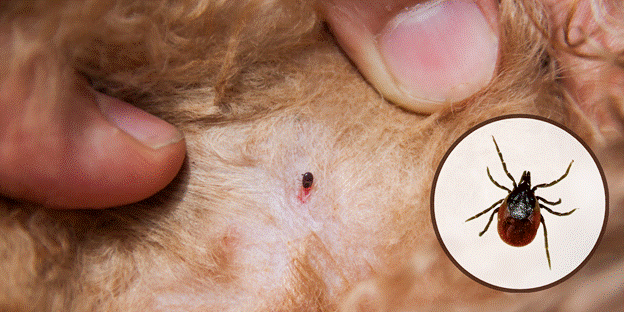
Many people assume that parasite prevention is only necessary during the warmer months or that indoor dogs face very little risk. Unfortunately, neither assumption is always true. Fleas can enter homes on clothing or other pets, mosquitoes can easily find their way indoors, and ticks are becoming more common in many regions due to changing weather patterns. By the time your dog starts scratching, coughing, or losing energy, parasites may already have affected their health.
Protect Before Problems
The encouraging news is that most flea, tick, and heartworm related problems are preventable. A simple, consistent prevention routine can protect your dog from unnecessary discomfort, reduce the risk of serious disease, and help avoid costly veterinary treatments later. Understanding how these parasites work is the first step toward keeping your companion healthy throughout every stage of life.
Why Prevention Matters More Than Treatment
When parasites are discovered, many owners immediately focus on getting rid of them. While treatment is important, prevention is almost always the better option. Parasites reproduce quickly, spread easily, and in some cases cause damage before symptoms become obvious.
Fleas do much more than make dogs itch. Female fleas lay eggs that fall into carpets, furniture, bedding, and cracks in flooring. Within a short period, a small problem can become a household infestation that is difficult and time consuming to eliminate.
Ticks present a different concern because they can transmit disease while feeding. Heartworms are perhaps the most dangerous because they develop silently inside the body, often without noticeable symptoms during the early stages.
Veterinarians consistently emphasize preventive care because it protects dogs before parasites have the opportunity to cause lasting harm.
The Hidden Problems Fleas Can Cause
Most owners associate fleas with scratching, but their impact goes much further. Flea saliva contains proteins that can trigger an allergic reaction known as flea allergy dermatitis. Dogs with this condition may experience intense itching, inflamed skin, hair loss, and recurring skin infections even after only a few bites.
Heavy flea infestations can also contribute to anemia, particularly in puppies, senior dogs, and smaller breeds. Another overlooked risk is the transmission of tapeworms when dogs accidentally swallow infected fleas while grooming themselves.
Because fleas reproduce rapidly, waiting until you can actually see them often means the infestation is already well established. Regular prevention helps interrupt the flea life cycle before it becomes a much larger problem.
Why Tick Prevention Deserves Equal Attention
Unlike fleas, ticks do not jump or fly. They wait in tall grass, shrubs, wooded trails, and even neighborhood parks until a passing animal brushes against them. Once attached, they begin feeding and may transmit harmful organisms that can affect a dog's joints, nervous system, and overall health.
Many tick bites go unnoticed because some ticks are no larger than a poppy seed during the early stages of feeding. This is why checking your dog's ears, neck, under the collar, between the toes, and around the belly after outdoor activities is an excellent habit. However, physical checks alone should not replace preventive protection.
Combining regular inspections with reliable tick prevention offers the strongest defense against tick related illness.
Heartworm Disease Often Develops Without Warning
Heartworm disease is different from fleas and ticks because it is spread through mosquito bites rather than direct contact with other animals. Once inside the body, heartworm larvae gradually mature and travel to the heart and lungs, where they can interfere with normal circulation and breathing.
One of the greatest challenges is that infected dogs may appear completely healthy for months. As the disease progresses, symptoms such as persistent coughing, reduced stamina, weight loss, and difficulty exercising may begin to appear. By this stage, significant damage may already have occurred.
Treating heartworm disease is often more complicated, expensive, and physically demanding than preventing it. This is why year round prevention is widely recommended in many areas where mosquitoes remain active for much of the year.
Common Mistakes Dog Owners Make
One of the most common mistakes is believing that parasite prevention is only necessary during summer. Depending on where you live, fleas, ticks, and mosquitoes may remain active well beyond the traditional warm season.
Another mistake is selecting preventive products without considering a dog's weight, age, lifestyle, or existing health conditions. A product that works well for one dog may not provide the most appropriate protection for another.
Consistency is equally important. Missing scheduled doses or delaying treatment can reduce protection and leave gaps during periods when parasites are most active.
Choosing the Right Protection for Your Dog
Today's preventive options include chewable tablets, topical treatments, collars, and combination products that protect against multiple parasites at once. The right choice depends on your dog's size, age, activity level, and the risks present in your local environment.

For larger, active dogs, the ones hiking trails, visiting dog parks, or spending a lot of time outdoors, broad, reliable coverage matters. That's where a product like Simparica Trio Chews for Large Dogs (44–88 lbs) comes in, offering monthly protection against fleas, ticks, and heartworm disease in a single chew.
Dogs that spend time hiking, visiting dog parks, or exploring wooded areas may have different protection needs than dogs that spend most of their time indoors. Reading product directions carefully and following the recommended schedule helps ensure the product performs as intended.
If you are ever unsure which option is most appropriate, your veterinarian can recommend a preventive plan based on your dog's individual needs.
A Healthy Routine Begins with Prevention
Preventive care is not about reacting to problems after they appear. It is about reducing the chances of those problems developing in the first place. Regular grooming, routine veterinary examinations, a balanced diet, and consistent parasite prevention all work together to support your dog's long term health.
Dogs rely on us to recognize risks they cannot understand themselves. Taking a few simple preventive steps each month can help protect them from discomfort, illness, and avoidable complications.
At Global Vet Pro, we are committed to helping pet owners make informed decisions by offering trusted flea and tick treatments, heartworm prevention products, wellness solutions, and other essentials that support healthier lives for dogs of every age.
Frequently Asked Questions
Can indoor dogs still get fleas?
Yes. Fleas can enter your home on clothing, shoes, visiting pets, or wildlife, making indoor dogs vulnerable as well.
How often should dogs receive flea and tick prevention?
Many products are designed for monthly use, while others provide longer protection. Always follow the product instructions or your veterinarian's advice.
Is heartworm prevention necessary all year?
In many regions, yes. Mosquitoes can remain active for longer than many owners expect, making year round prevention the safest approach.
What are the first signs of fleas?
Excessive scratching, chewing at the skin, flea dirt, irritated skin, and hair loss are among the earliest warning signs.
Where do ticks usually attach?
Ticks commonly attach around the ears, neck, under the collar, between the toes, under the legs, and along the belly.
Can puppies receive parasite prevention?
Many preventive products are approved for puppies once they reach a specific age and weight. Always choose products suitable for your puppy's stage of development.
Is prevention less expensive than treatment?
In most cases, yes. Preventive care is generally simpler, more affordable, and less stressful than treating advanced parasite related diseases.
How can I reduce my dog's risk of parasites?
Use preventive products consistently, inspect your dog after outdoor activities, maintain a clean living environment, and schedule regular veterinary checkups.